info@jspmuni.ac.in
 +91 90672 82222 /
 +91 20 6733 5100
Laboratories
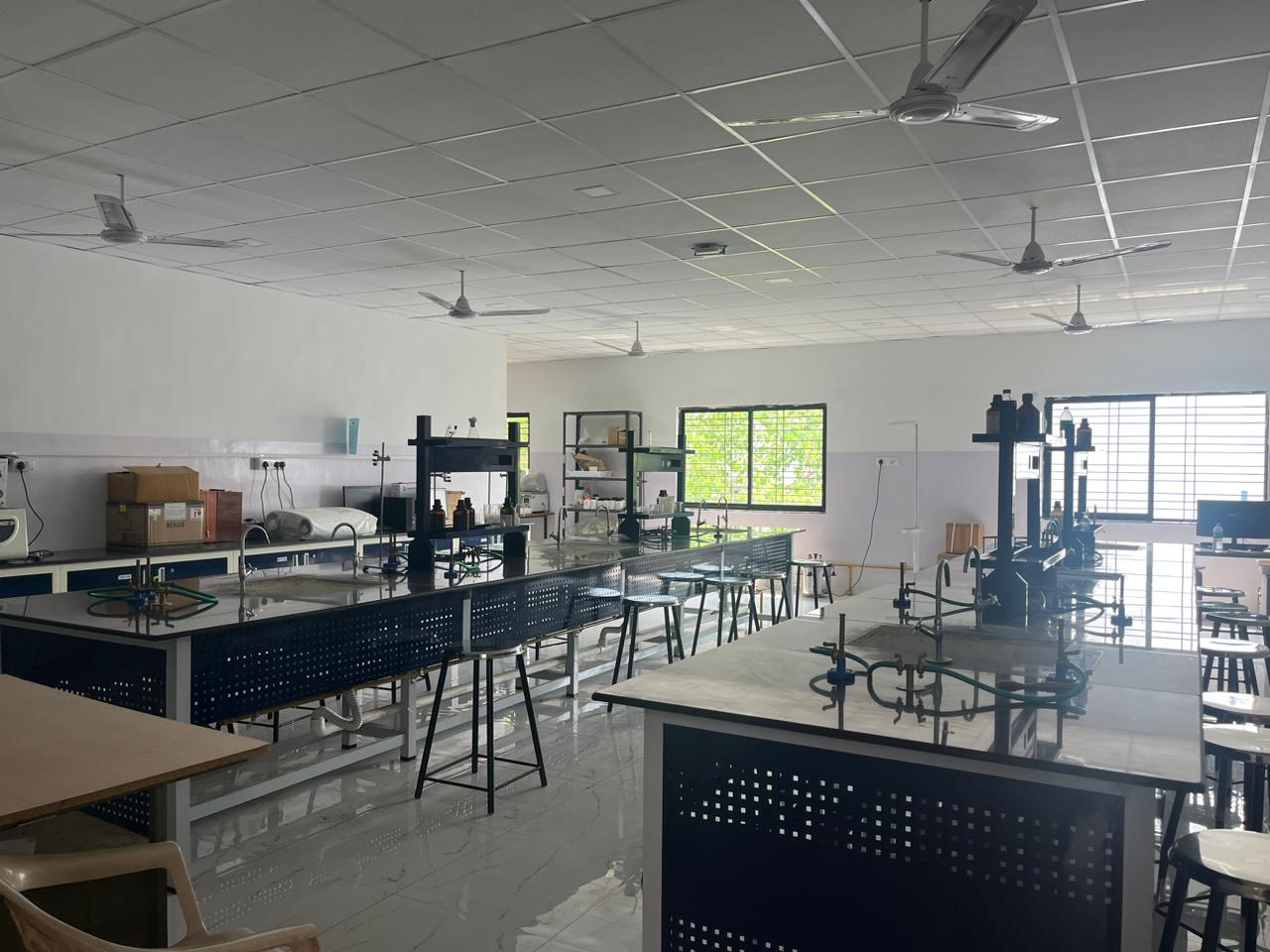
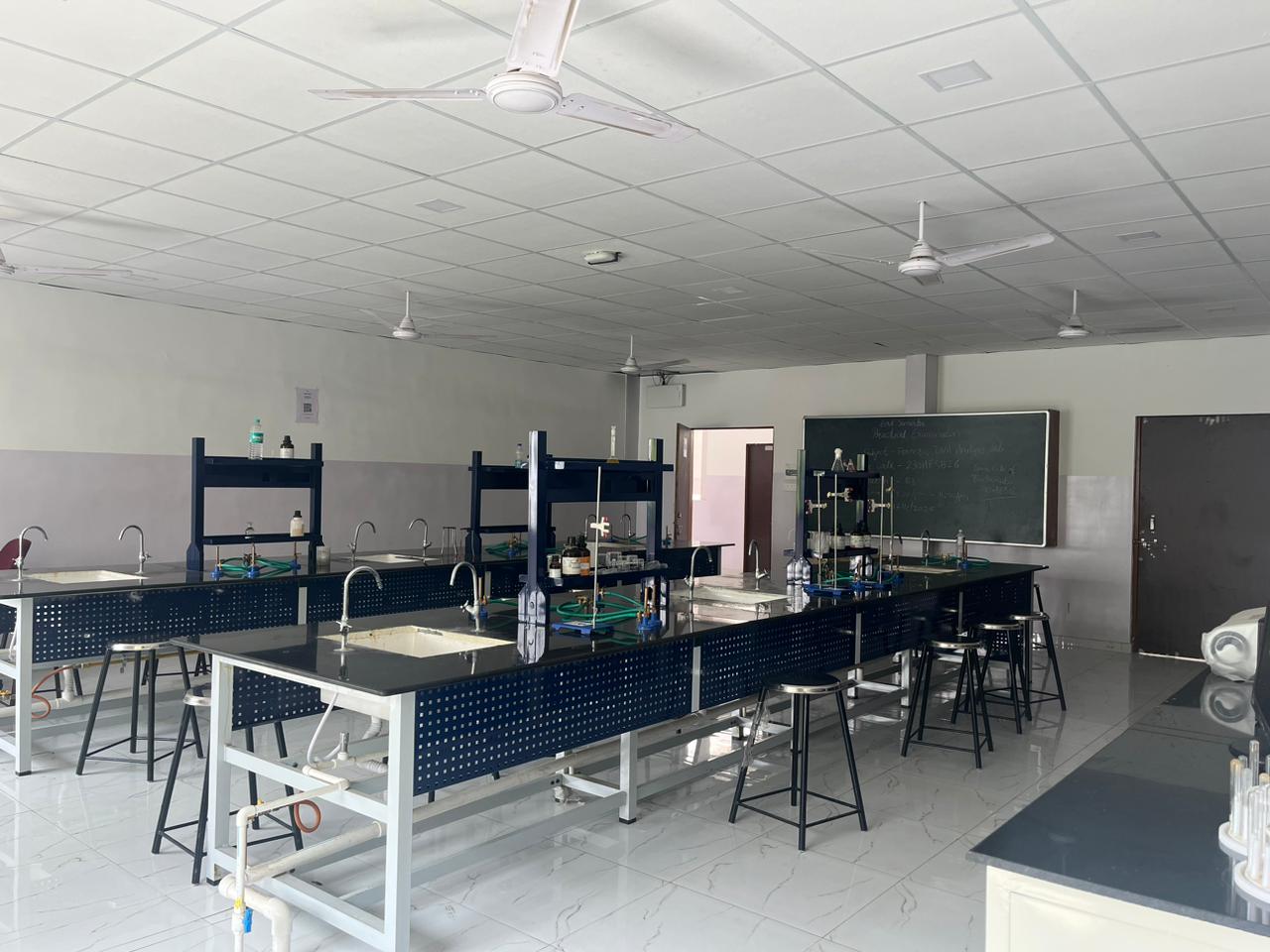
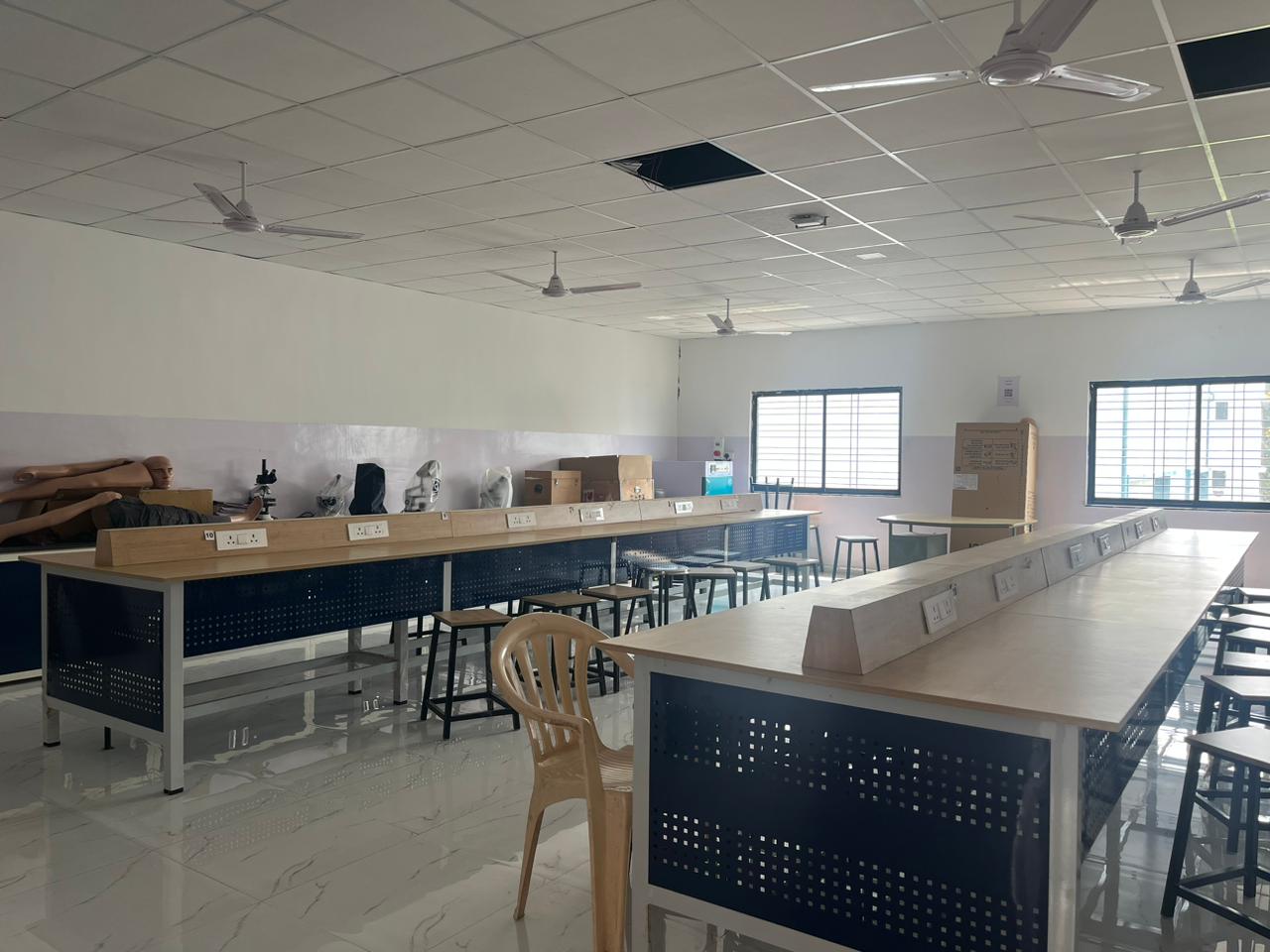
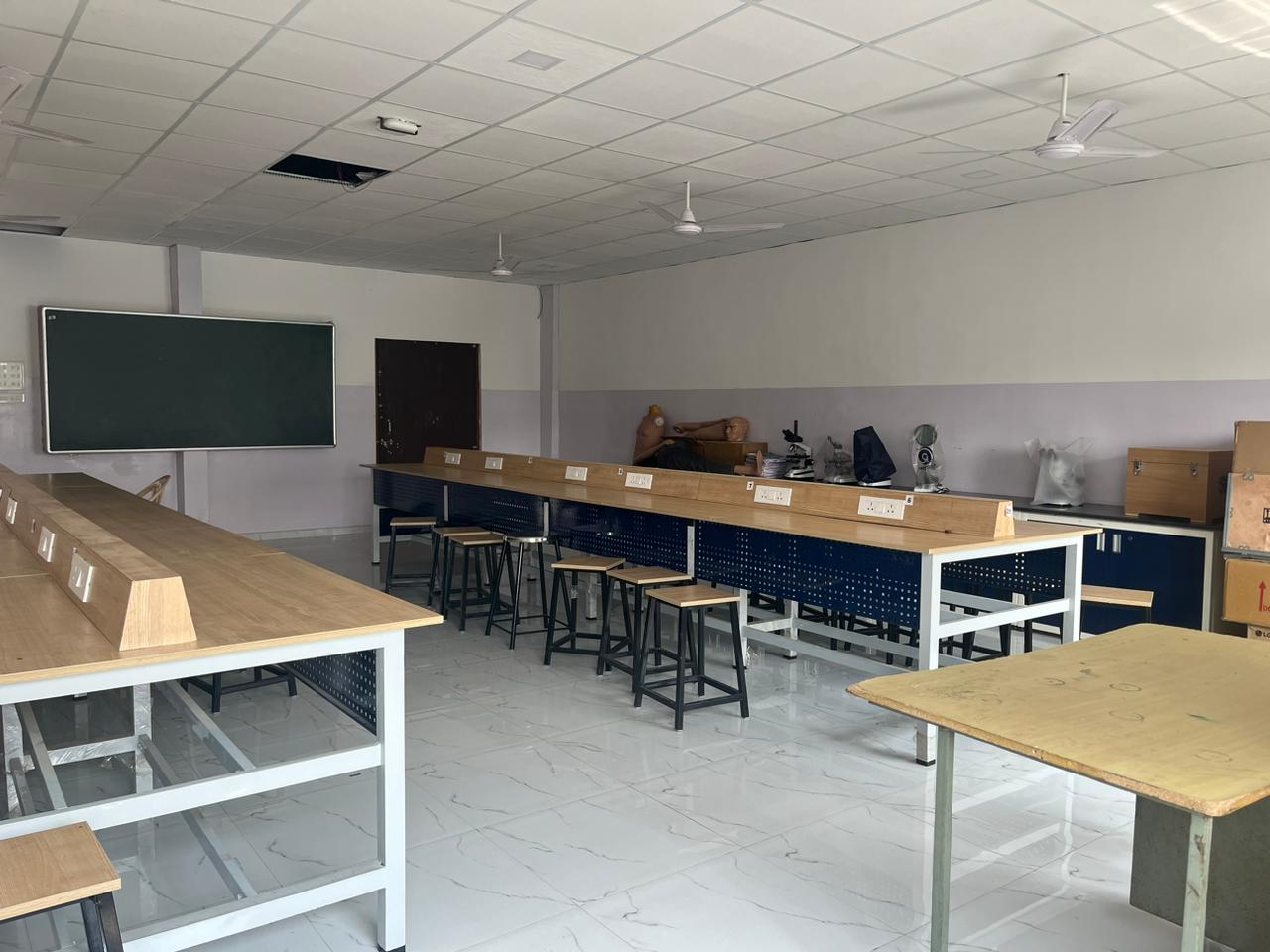
Forensic Physics Laboratory
Forensic Science Laboratories
Introduction:
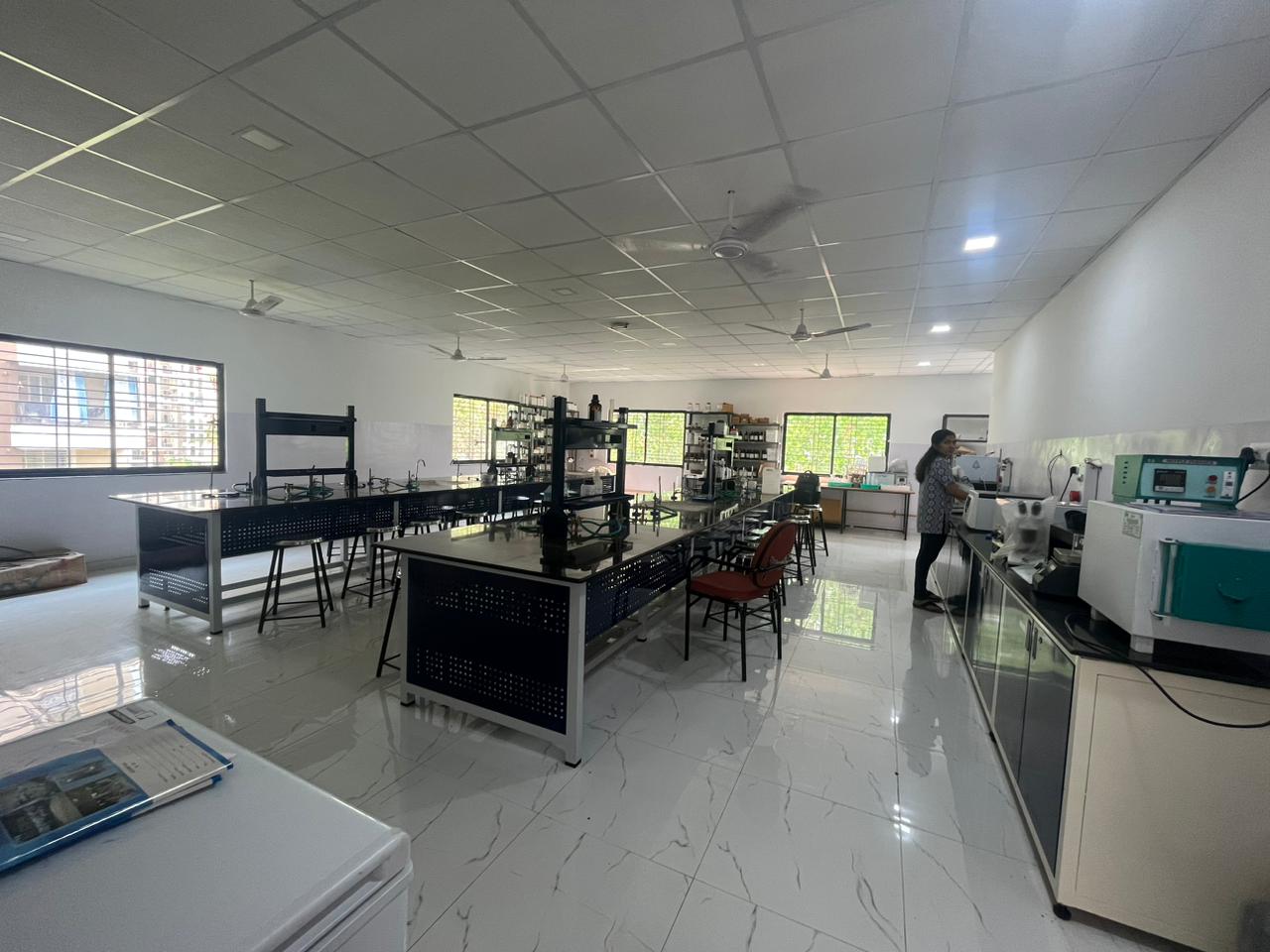
Our forensic laboratories are integral to delivering a comprehensive and practical learning experience, supporting both B.Sc. Forensic Science and M.Sc. Forensic Science programs. They provide students with hands-on exposure to modern equipment, scientific techniques, and real-world applications, allowing them to translate theoretical knowledge into practice. Through structured experiments, demonstrations, and project-based learning, students develop critical thinking, analytical skills, and technical proficiency. The lab environment encourages accuracy, discipline, and adherence to standard protocols, which are essential in professional settings. Overall, these laboratories play a vital role in enhancing conceptual understanding, building confidence, and preparing students to meet industry and research demands effectively.
Importance of Forensic Science Laboratories:
The importance of forensic laboratories lies in their ability to transform learning from theoretical understanding to practical competence. They enable students to observe, experiment, and validate scientific concepts, thereby deepening their comprehension and retention. Laboratories also foster problem-solving abilities, precision, and attention to detail, skills that are crucial in scientific and professional domains. By simulating real-life scenarios, they prepare students to handle complex challenges, work with advanced instruments, and follow standard operating procedures, ultimately making them industry-ready and confident professionals.
Forensic Chemistry Laboratory:
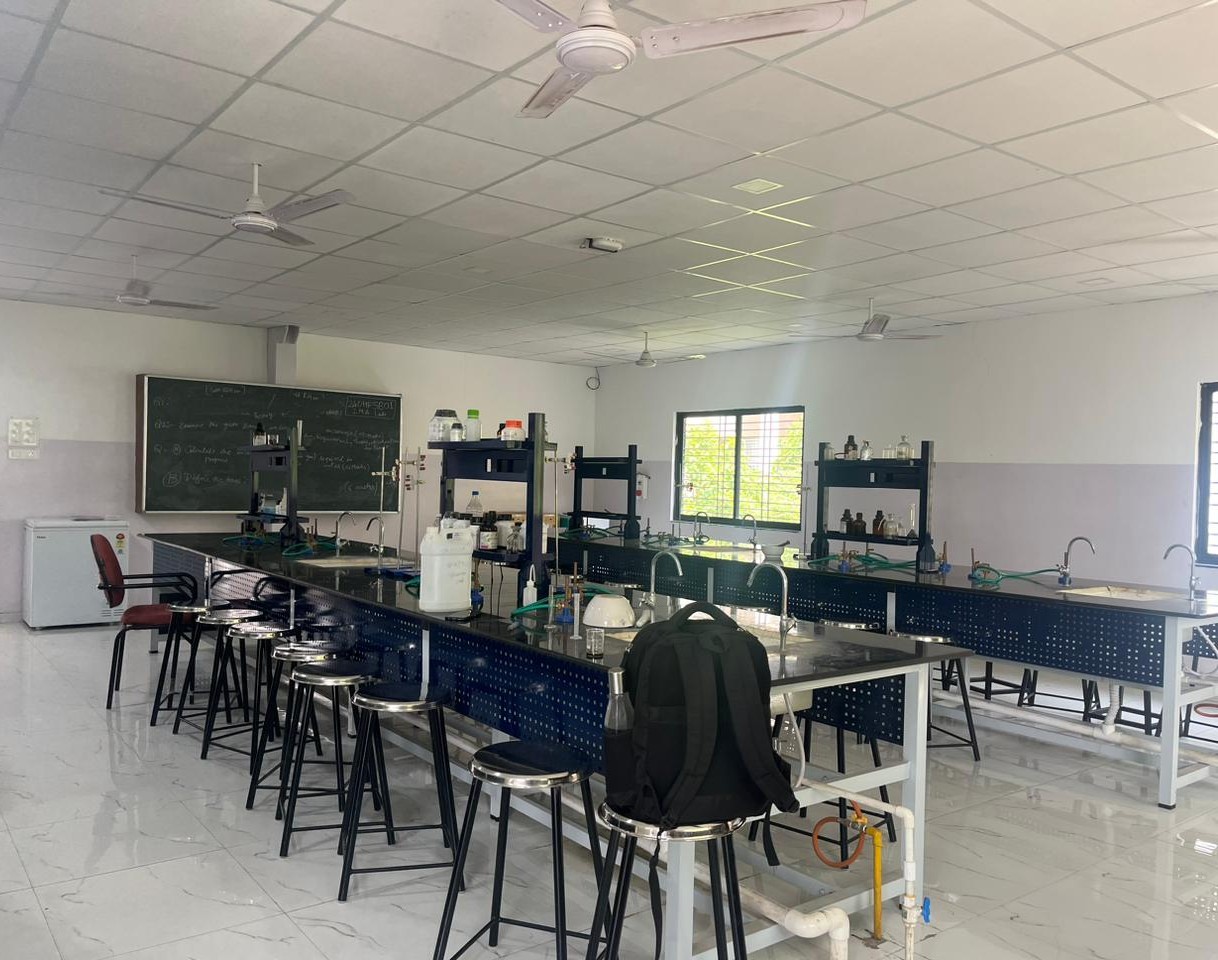
The Forensic Chemistry Laboratory plays a vital role in identifying and analyzing chemical evidence encountered in criminal investigations. Students gain practical experience in examining drugs, poisons, explosives, petroleum products, and trace materials using modern analytical techniques such as chromatography and spectroscopy. This lab enhances their understanding of chemical composition, detection methods, and result interpretation, enabling them to handle toxicological and narcotic cases with precision and scientific accuracy.
Forensic Biology Laboratory:
The Forensic Biology Laboratory focuses on the examination of biological evidence, providing hands-on training in areas such as serology, DNA profiling, blood grouping, and microscopic analysis of tissues and bodily fluids. Students learn proper evidence collection, preservation, and analysis techniques, which are crucial in linking suspects, victims, and crime scenes. This laboratory strengthens their skills in handling sensitive biological samples while maintaining ethical and scientific standards.
Forensic Physics Laboratory:
The Forensic Physics Laboratory equips students with knowledge and practical skills related to physical evidence analysis and crime scene reconstruction. It includes experiments in ballistics, fingerprint analysis, questioned documents, and instrumental methods used in forensic investigations. Through this lab, students understand the principles governing motion, force, and material behavior, helping them interpret evidence patterns and reconstruct events with scientific reasoning.
Digital and Cyber Forensic Laboratory:
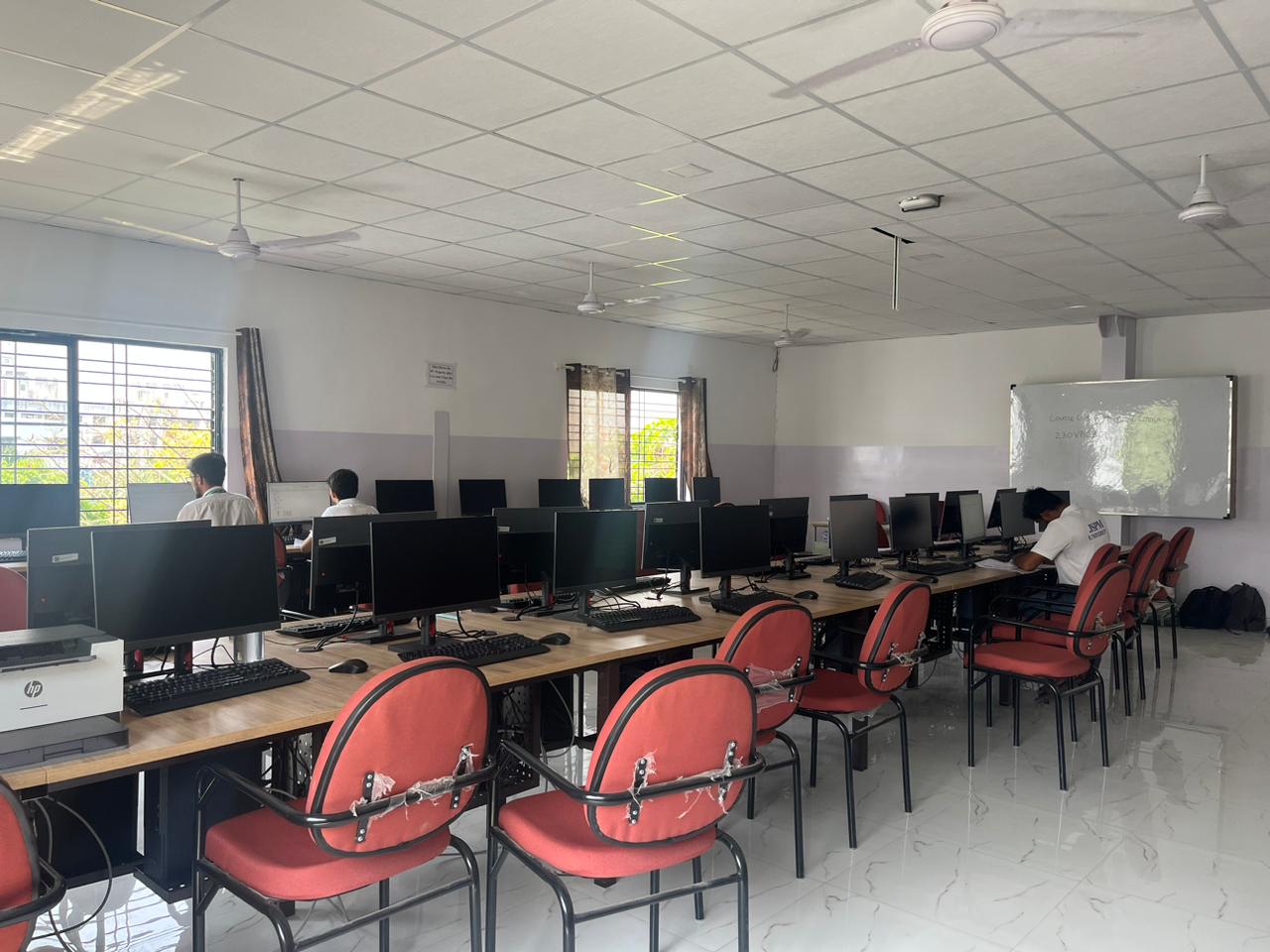
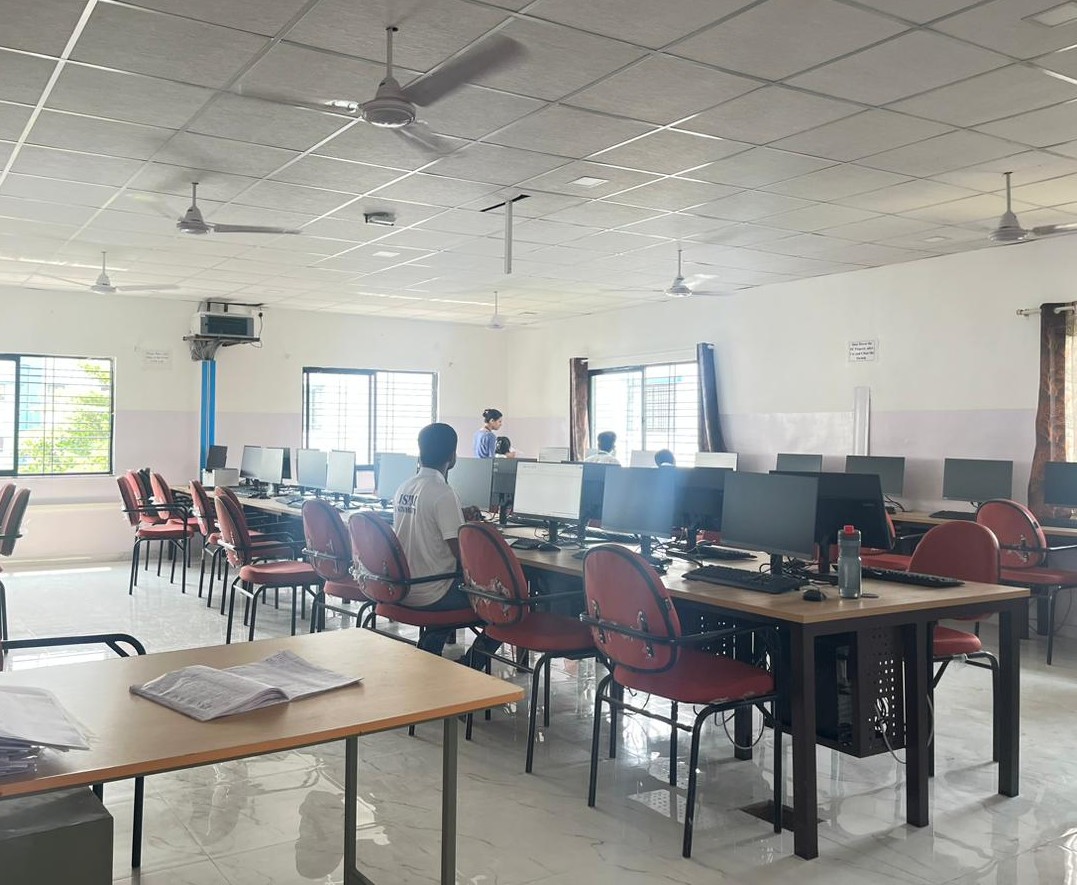
The Digital and Cyber Forensic Laboratory provides a platform for students to explore the rapidly evolving field of cybercrime investigation. It offers training in digital evidence acquisition, data recovery, network analysis, and cybercrime investigation techniques using specialized forensic tools and software. Students learn to analyze electronic devices, trace cyber activities, and ensure the integrity of digital evidence, preparing them to tackle modern technological crimes effectively.